
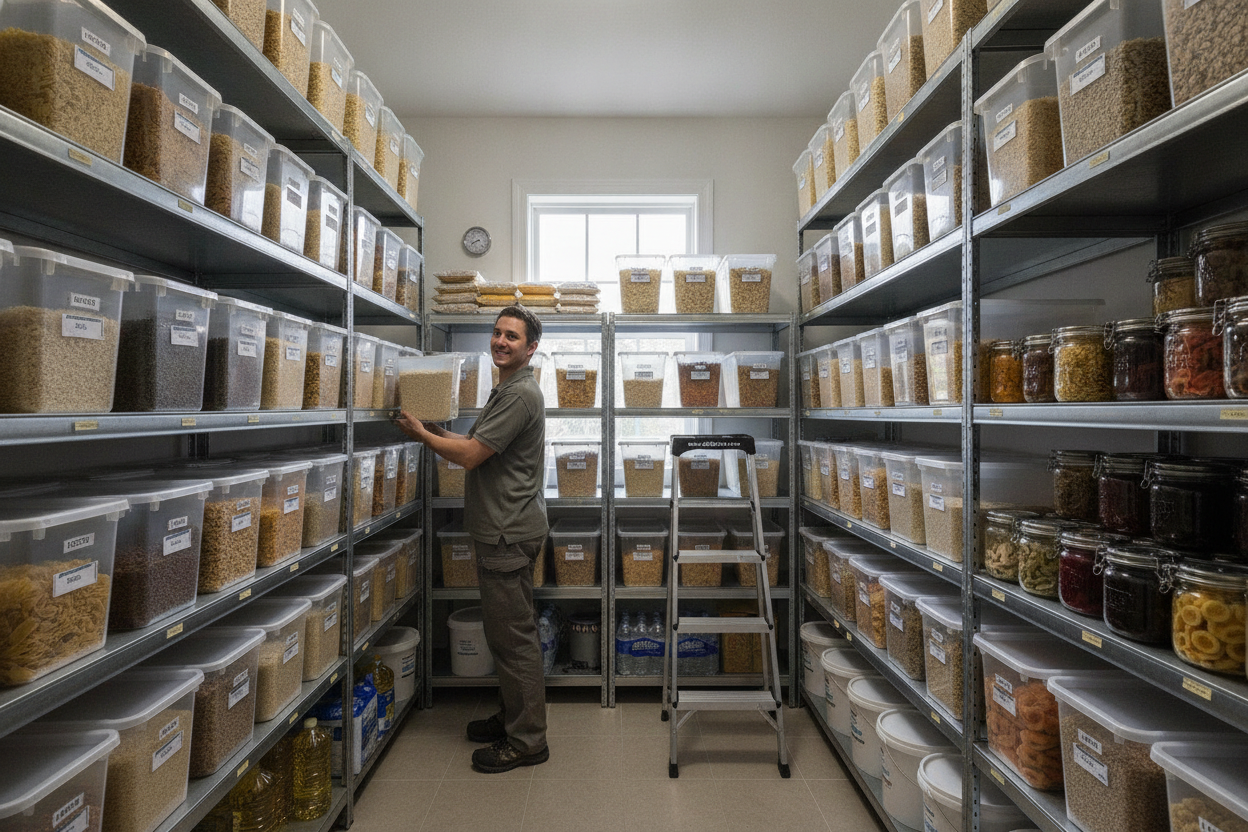
Long-term food storage gives you a buffer when supply chains break down, stores close, or weather interrupts routine shopping. The goal is not just to stockpile food, but to build a system you can rotate, track, and actually use. A good pantry supports normal life while still preparing for disruption.
Start with foods your household already eats. Rice, beans, oats, pasta, canned vegetables, peanut butter, and shelf-stable proteins are common foundations because they are affordable and familiar. Add spices and comfort foods, too, because morale matters during stressful periods. If your plan is realistic, you are more likely to maintain it.
Storage conditions matter as much as the food itself. Keep supplies cool, dry, and dark whenever possible. Use airtight containers to protect against moisture and pests. Label items with purchase dates and rotate them so nothing sits forgotten for years. If you are buying in bulk, break your storage into smaller containers for easier access and fresher use.
Think in terms of calories, not just shelf life. A pantry full of low-calorie items can still leave you short on energy. Make sure you have enough fats, protein, and carbohydrates to support the people you are feeding. When done well, food storage provides both security and flexibility, making the next emergency much easier to manage.
Leave a Reply